TOEFL Complete the Words: Urban Planning (Intermediate)
Urban Planning in TOEFL
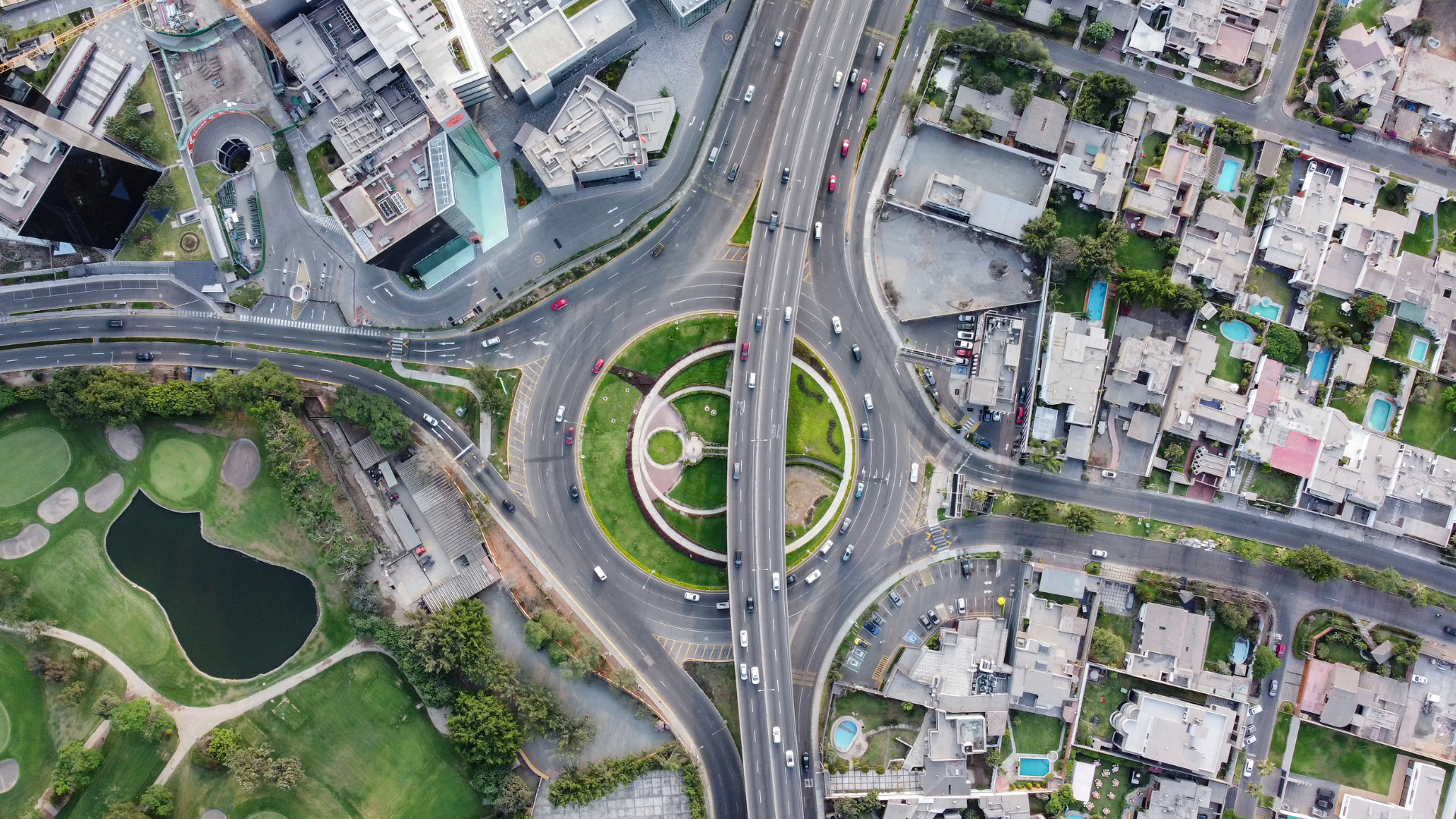
Urban planning studies how the design of a city shapes the lives of the people who use it. The field is not limited to where buildings are placed. It also considers whether residents can move through the city efficiently and reach essential services without unnecessary difficulty. As urban areas become more crowded, planners have to balance private development with the need for public space.
Practice Questions
Question 1
Urban planning studies how a city’s physical form shapes daily life. Planners ask whether res_ _ _ _ _ _ can reach essential places without long travel. In a poorly planned city, traffic con_ _ _ _ _ _ _ may spread from main roads into nearby neigh_ _ _ _ _ _ _ _. Housing may be located far from major employment areas, which increases dependence _ _ cars. A stronger plan uses la_ _ more deliberately, so homes are placed near public trans_ _ _ _ _ _ _ _ _ while public space remains available for local use. Another concern is urban density. Hi_ _ density is not automatically harmful, but it requires reliable infrastructure. Without it, daily routines become dif_ _ _ _ _ _. Planners study these patterns to improve acc_ _ _ _ _ _ _ _ _ _ and make the city more livable over time.
Explanation
Complete passage
Urban planning studies how a city’s physical form shapes daily life. Planners ask whether residents can reach essential places without long travel. In a poorly planned city, traffic congestion may spread from main roads into nearby neighborhoods. Housing may be located far from major employment areas, which increases dependence on cars. A stronger plan uses land more deliberately, so homes are placed near public transportation while public space remains available for local use. Another concern is urban density. High density is not automatically harmful, but it requires reliable infrastructure. Without it, daily routines become difficult. Planners study these patterns to improve accessibility and make the city more livable over time.
Urban planning examines how the physical design of a city affects the lives of the people who use it. A street, a station, or a public square is not just a fixed object in the landscape. Each one influences how easily people can move, how long daily travel takes, and whether basic services feel close or distant. For this reason, urban planning is closely connected to the practical experience of living in a city.
The field becomes especially important when a city grows quickly. If housing spreads far from major employment areas, residents may become dependent on cars. If density increases without reliable infrastructure, ordinary routines can become difficult. Urban planners study these problems before they become permanent features of city life.
Question 2
Urban planning also deals with how a city handles rain. In older neighborhoods, hea_ _ storms can overwhelm drainage sys_ _ _ _, causing streets to fl_ _ _ within minutes. This problem becomes wo_ _ _ when soil is covered by concrete because rainwater cannot soak i_ _ _ the ground. To re_ _ _ _ this risk, planners may design parks, planted strips, or shallow basins that ab_ _ _ _ water before it reaches the drains. These features are sometimes called green infrastructure. They do not only make a city look more att_ _ _ _ _ _ _, but a_ _ _ help control runoff, lower flood damage, and protect nearby rivers from polluted water. As storms become more intense, managing urban water has become a central part of city planning.
Explanation
Complete passage
Urban planning also deals with how a city handles rain. In older neighborhoods, heavy storms can overwhelm drainage systems, causing streets to flood within minutes. This problem becomes worse when soil is covered by concrete because rainwater cannot soak into the ground. To reduce this risk, planners may design parks, planted strips, or shallow basins that absorb water before it reaches the drains. These features are sometimes called green infrastructure. They do not only make a city look more attractive, but also help control runoff, lower flood damage, and protect nearby rivers from polluted water. As storms become more intense, managing urban water has become a central part of city planning.
Rain behaves differently in a city than it does in a natural landscape. On open ground, much of the water can sink into the soil. In a built-up area, concrete surfaces prevent that process, so rainwater moves quickly across streets and enters drainage systems in a short period of time. When those systems cannot handle the sudden flow, flooding can occur even after a relatively brief storm.
This is where green infrastructure becomes important. A planted strip, small basin, or carefully designed park can slow rainwater before it reaches the drains. These features may look decorative, but their main purpose is practical: they reduce runoff and help keep polluted water from entering nearby rivers.
Question 3
Cities often become hotter than the areas around them. This ef_ _ _ _ is known as the urban heat island. Dark roads and rooftops ab_ _ _ _ sunlight during the d_ _, then release that heat after sun_ _ _. As a result, nighttime tem_ _ _ _ _ _ _ _ _ may remain high even when nearby ru_ _ _ areas cool down. Urban planners try _ _ reduce this problem by changing the way sur_ _ _ _ _ are designed. A lighter roof can ref_ _ _ _ more sunlight, while trees create sh_ _ _ that lowers the temperature at street level. Parks also help because soil and plants do not store heat _ _ the same way as concrete. In hot regions, these choices can make outdoor spaces safer and reduce the need for air con_ _ _ _ _ _ _ _ _ inside buildings.
Explanation
Complete passage
Cities often become hotter than the areas around them. This effect is known as the urban heat island. Dark roads and rooftops absorb sunlight during the day, then release that heat after sunset. As a result, nighttime temperatures may remain high even when nearby rural areas cool down. Urban planners try to reduce this problem by changing the way surfaces are designed. A lighter roof can reflect more sunlight, while trees create shade that lowers the temperature at street level. Parks also help because soil and plants do not store heat in the same way as concrete. In hot regions, these choices can make outdoor spaces safer and reduce the need for air conditioning inside buildings.
A city can stay hot long after the sun has gone down. One reason is that roads, rooftops, and walls absorb heat during the day, then release it slowly at night. This keeps urban areas warmer than the surrounding countryside. The pattern is known as the urban heat island effect, and it becomes especially serious during long periods of hot weather.
City design can reduce this problem. Pale surfaces reflect more sunlight, so they store less heat. Trees create shade at street level, making sidewalks and public spaces more comfortable during the day. Parks also help because soil and vegetation do not heat up in the same way as concrete.
